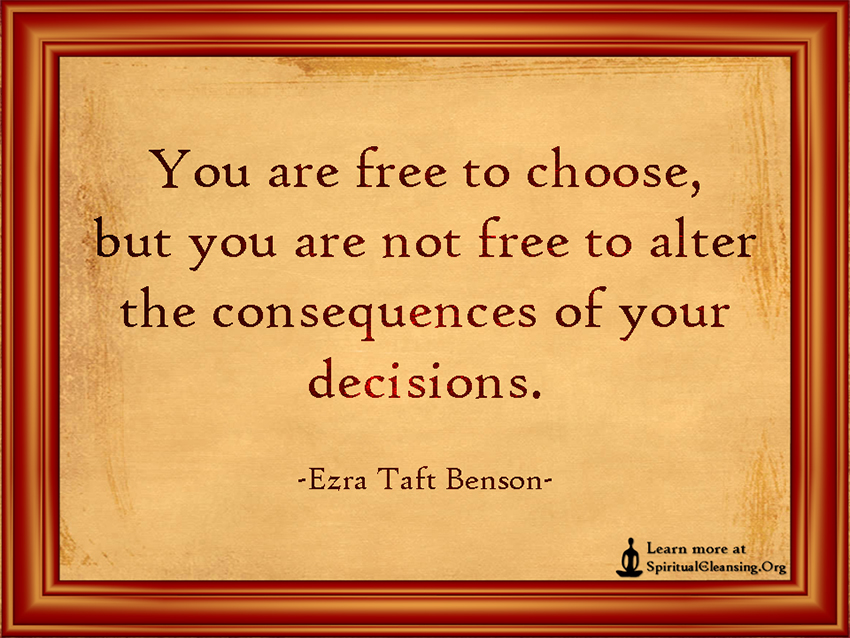
Recently the fall semester began at the college where I teach. The start of any new semester necessitates educators to explain the expectations of their classes. It was during a discussion with my students about a particular assignment—peer feedback for an upcoming essay—that a participant earnestly asked, “Soo, do we have to do the peer feedback activity?” The easiest response I could give was “Yes.” The student would have accepted my reply and we would have moved on. I just couldn’t bring myself to answer in the simple affirmative, though; my husband would likely (accurately) say that’s due to my tendency to overthink (and over-complicate!) matters, but sometimes situations are more nuanced and complicated than our swift reactions would imply. I answered, “Well, the feedback activity carries a weight of 25 points and so it would be beneficial to your grade to participate; however, as a sentient, autonomous individual who is capable of making their own choices I can’t very well force you into compliance. Rather, I can tell you that if you participate, you earn the 25 points; if you do not, you receive zero points. The choice, though, is entirely yours.” I’d like to think that student left my class feeling like Dorothy from The Wizard of Oz when she realizes that she had the power all along, to paraphrase Glinda, the good witch. But it’s just as likely that they left with a head shake and shoulder shrug, muttering, “A straightforward ‘yes’ or ‘no’ would have been fine!”
If my parents had used a playbook for child rearing, it would have been Rousseau’s Émile (with a focus on the good parts and not the numerous logical fallacies committed by the author!). There are certain immutable laws of nature that we learn best when experiencing the consequences of our actions that place us in opposition to those laws. In Rousseau’s work, for example, Émile broke the window of his bedroom and was faced with the consequence of having to endure the cold night or find a way to correct his mistake. My mama was likewise all about letting me figure things out for my own stubborn self: “Oh, you want to eat the entire contents of your Halloween candy bag while you watch cartoons? Go ahead, but don’t wake me up tonight when your belly hurts!” “You want to do your math homework without any help, knowing you don’t know the first thing about long division? Fine, but you’d better be prepared to accept an F, fair and square!” What I learned (eventually, because my mama was right—I’m a stubborn and sometimes slow learner!) was that it’s not anyone else’s job to deal with the results of my choices or correct my errors, and that while I can opt to disregard people’s boundaries and expectations, I can’t claim ignorance or indignation when they respond just as they warned me they would.
I think anyone who has observed human behavior in recent years can confirm the troubling upward trend of people who do disregard clearly stated expectations and still balk at penalties for eschewing them. Where that mindset originates is a mystery to me, but one I see in people of many ages in many contexts. Several years ago a person approached my vehicle as I was loading up my two shepherds and asked to meet them. I told the person I appreciated their interest but that my dogs were reserved and aloof to anyone not in their household. The person continued their approach toward me, my truck, and my dogs, saying, “Oh, dogs love me.” When my dogs began to growl and bark and I issued a firm, loud “Stop” to the individual, their response was “How rude; I was just being friendly,” as they stalked away filled with self-righteous indignation. Had I said nothing, there would have been a dog biting incident for which I, and more importantly, my dogs would have been punished. I feel sure that the lens through which this stranger perceived the exchange was different from mine, and they left feeling that I owed them a sincere apology.
For years I boasted to my students that I had never received a traffic ticket and had never been in a wreck. I followed that prideful claim with the acknowledgement that it wasn’t that I was a perfect driver; oh no, I exceeded the speed limit and committed rolling stops probably daily. I’d just been lucky not to be caught. If that day came, I wouldn’t have any right to complain about the penalty for my actions. Still, when that day did arrive and I saw the flashing blue lights in my rearview mirror, I reflexively thought, “That’s not fair!” But it was. And I took my ticket to class the next day to show my group of seventh graders. I spared them from my John Donne reference of the bell finally tolling for me, but I had to come clean with them. I’d like to think they learned from my hubris and fall from grace but knowing that I still creep past the designated speed limit on occasion, eat bad foods that I know will upset my stomach, and harbor a secret, shameful belief that the rules apply to “everyone else,” I imagine my life lesson lasted just as long as the class did, promptly forgotten with that day’s school dismissal. While Jesus confirmed to Cain that yes, he was his brother’s keeper, and Christians believe that implication spreads to us all, is it wrong to expect our “brothers” to use their God-given abilities and intelligence also to keep themselves at least as often as they expect others to do this for them? I just don’t know. I do know that I have every intention of continuing to make poor dietary choices and blame the clothes dryer for shrinking my pants!
 PartWolf