In my family a popular parable with multiple applications over the years is the story of my oldest niece, at the time just a toddler, carrying my newborn nephew up a flight of stairs against her mother’s unambiguous order to leave him be. My sister had hoped to quickly vacuum the upstairs of their home while her then youngest was settled safely in the bassinet downstairs. Before sprinting to complete the task she firmly stated that Skylar should, under no circumstances, handle Allen. From the corner of her eye, though, as Dana hoovered the hallway she saw Skylar struggling up the stairs with her brother held tightly to her chest. My sister was furious. Without hesitation she launched into a scolding that could peel wallpaper. When she paused for breath, Skylar said pleadingly, “But Mommy, he was choking and you couldn’t hear him.”
This scene has often been recalled to illustrate the danger of making assumptions without knowing the whole story and how humbling it can be when we do. It also works as a reminder of how important intention is, which has been on my mind quite a lot in recent years. What I think isn’t publicized enough about adulthood is how very few “right” answers or choices there are. I tell you, I feel bad for how much trash I talked about J. Alfred Prufrock and Hamlet languishing in their indecision over something as small as eating a peach or as large as committing murder. In my youth I couldn’t fathom that making decisions was all that difficult. Just do the right thing and everything will be fine. To invoke poor Hamlet once more, “There’s the rub.”
Sometimes it is easy to make a decision and live with it. Pizza for dinner? Always a good call. Smooching a chubby puppy belly? A no brainer. Sometimes it is easy to determine whether someone is friend or foe, worthy of our trust or someone with whom we should be guarded. The friend who whispers to you that there’s lettuce in your teeth instead of broadcasting it to the table, or the one who lovingly, privately shares that your Forever 21 attire might be best left to those who are, in fact, 21—our trust isn’t wasted on them. Likewise, when it comes to what we choose to say or what we opt not to disclose, “right” decisions can look different for each of us.
For the longest time I got hung up in an endless loop of deliberation over even the smallest of things. What if I were perceived as selfish, unkind, thoughtless, or plain old dumb by those witnessing how I move through life? What if I embarrassed my parents or caused hurt to someone dear? I realized that the answer, for me, is in the examination of intent. Of course we can still be foolish or hurtful even when are hearts are good, and we are accountable for the damage we might do. But I decided that if I can validate the purity of my intention and stand by it, then I can live with whatever may result.
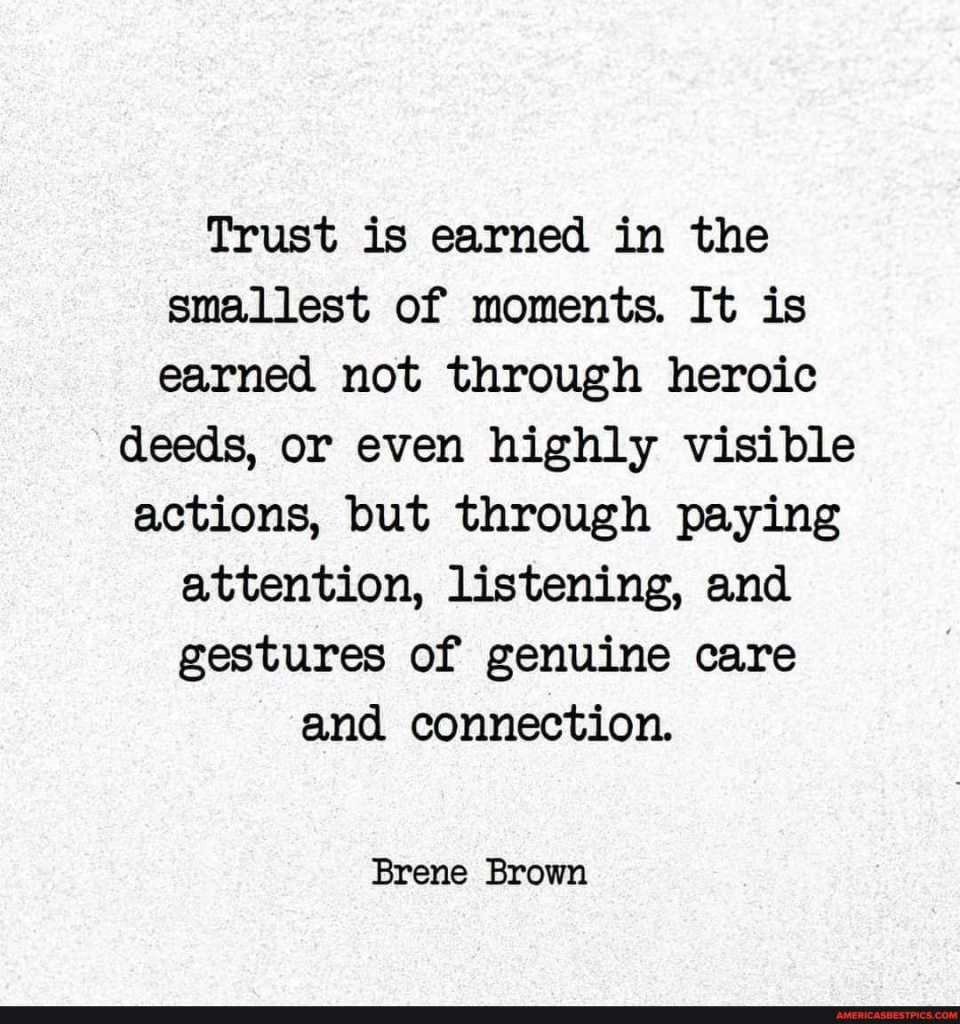
Being someone’s child can be hard. So can being someone’s parent, partner, friend, or colleague. There will be times when things need to be said that are difficult to speak and difficult to hear. There will be times when we debate what we share or keep to ourselves. There’s a picture I’m sure many of us have seen of an iceberg with its top visible above the water and even more beneath the surface; it’s been used to represent anything from aspects of leadership and success to a person’s private versus public selves. I think about that image with regards to interactions between people—what we are aware of is sometimes literally the tip of the iceberg, but the thought (or lack thereof) that goes into what people make known versus what they keep to ourselves reaches depths we will never see. Ultimately, we can never know someone entirely because thoughts are (blessedly) private unless we choose to give them voice. That can evoke some measure of panic in any who have been burned by poor choices borne of questionable intent, which is to say all of us. How then, can we move through life with faith and trust in those closest to us not to cause wounds that might be forgivable or perhaps not? It may take a lifetime to find those in whose hands our hearts feel safe, but we owe it to ourselves and others to accept and to give nothing less.
 PartWolf