I’ve only half-joked for years that if I ever start feeling too full of myself I go for a run. More specifically, I participate in 5k or 10k races with my dad. Without fail I find myself in the back of the herd and my dad completes the course, circles back, and crosses the finish line with me for an encore performance. I’ve always thought that being average to awful at something keeps me humble and also gives me something to work on. Nothing has ever been as effective at achieving this, though, as working with thousands of students in my teaching career.
In my earliest years of teaching, I’m embarrassed to say, my focus was on me. I believed I needed to prove my knowledge and skills to colleagues. Too, being in my early twenties with students only a few years my junior, there were times when both they and their caregivers were skeptical of my place in front of the class. If there were graduate courses to complete, advanced degrees to earn, or committees for which to volunteer, I was all over them. My ultimate goal at that time, I guess, was to earn some kind of “Super Teacher” cape and join the ranks of the inspiring, gifted teachers who’d been so significant in my own life. The most important parts of my work were the test results and how much advanced curriculum I covered in a school year.
I don’t think it was until I took a position teaching middle school students that I fully appreciated just how misguided my focus had been. The middle school years are notoriously unkind for adolescents. Their bodies become unrecognizable, their hormones are unreliable, and they are keenly aware of who fits in and who stands out. Add to that the pressure of academics and it’s no wonder their moods are messy. What I did not anticipate witnessing in them in the midst of their David and Goliath-level battle with puberty, however, was the compassion they regularly demonstrated. Seeing students shivering from the lack of a winter coat, sleepy from tending to younger siblings or chores instead of resting, or hungry because their free lunch was the only meal they received each day, it shamed me that they were still able to encourage others while I was busy racing through standardized test preps with them. Not only did it shame me; it changed me.
Life is hard. It’s complicated. And crises rarely respect our busy schedules or looming assignment due dates. It would be delightful if the most important part of my students’ lives was the content I teach. But if I were honest I’d have to admit that the content I teach isn’t even the most important part of my own life when surprises stampede across my meticulous plans. Don’t get me wrong, I still receive plenty of those emails (especially in the final weeks of a semester) that go something like, “I know I haven’t turned in eleven assignments or responded to your repeated offers of help, but is there still a way I can pass this class?” But no longer do I immediately brace myself for an excuse or request for special allowances when my inbox shows a new message from a student alerting me that life has gone off track for them.
In the past several years alone, my classes have contained the following: a mother who attended class remotely from the airport while she and her daughter waited for a flight to a children’s hospital that could provide cancer treatment; a young man who was evicted from his home and asked for a two-day extension on his essay assignment to allow himself time to find temporary housing; a wife whose husband attempted suicide with her and their children in the same room, and who apologized for missing our 8:00 a.m. class; and a high school student new to this country and our language who quietly told me after class that she would take a zero on a verbal presentation instead of risking the laughter of other students like she’d experienced multiple times before.
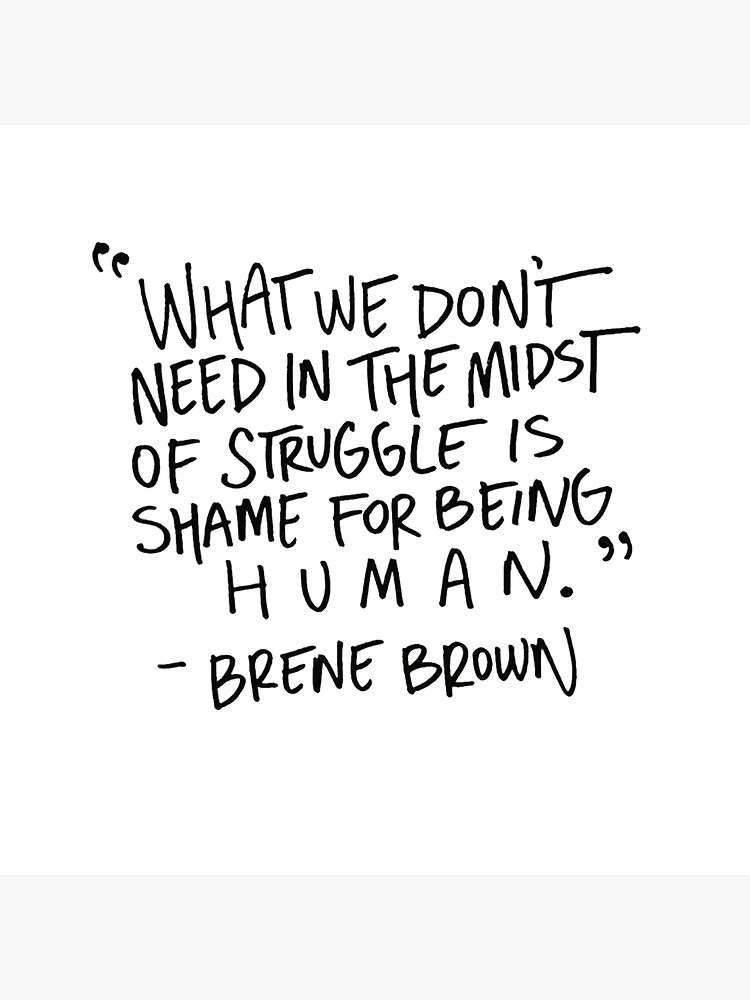
Few things are more important than education, in my opinion. What I wish I had learned much earlier, though, is that we are educated in many ways, formal and informal. In my ignorance, I failed to understand that school is such a small part of life; sometimes it’s the very least important part of life. Regardless of our age, status, or intelligence, things can fall apart. I should have known long ago from my dad’s act of circling back so that he could run alongside me as I struggled to finish a race that we might not always be able to make others’ suffering cease, but we can lend support and keep pace with them when they are doing the very best they can.


There is much wisdom in this post, Sam. Your students past and present are blessed to have you in their lives.
LikeLike
Thank you so, so much, Fran.
LikeLike